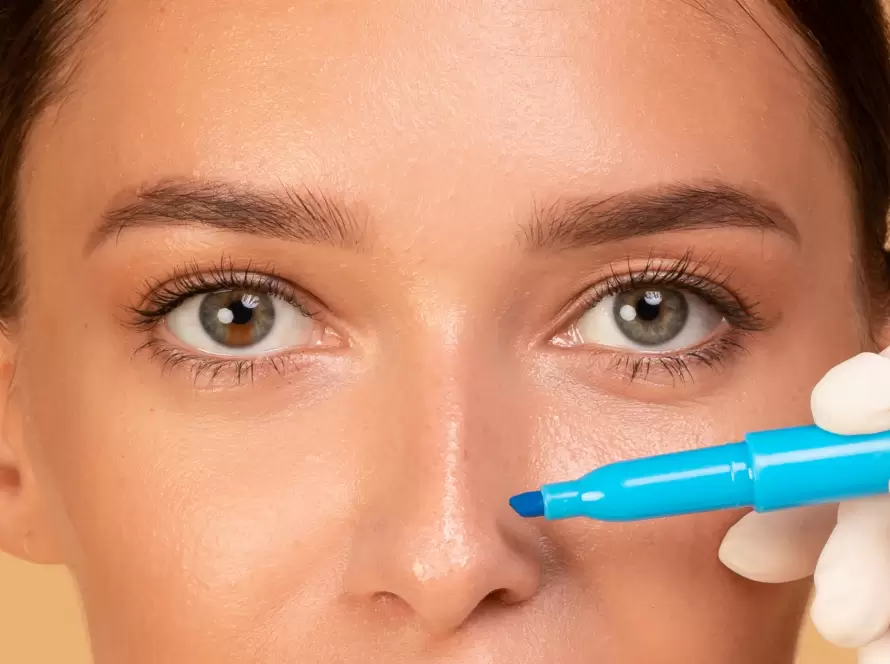
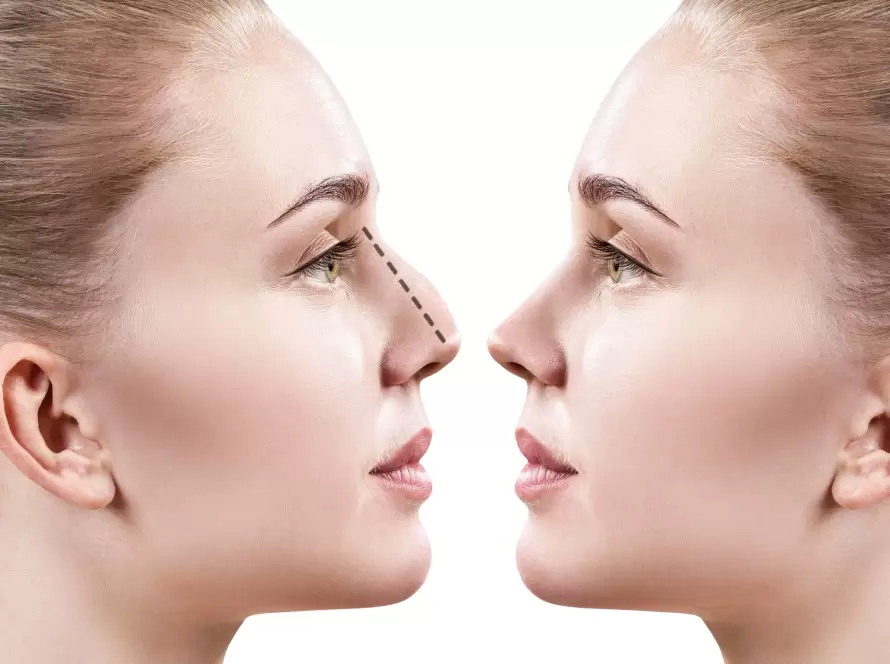
Rhinoplasty is a surgical procedure to change the shape, size or function of the nose. Although rhinoplasty is usually performed for aesthetic reasons, it can also be used to treat some medical conditions. Rhinoplasty can be used to correct deformities of the nose. These may include curvatures in the nasal bones or cartilage, differences in the size of the nostrils, or drooping of the tip of the nose. Rhinoplasty can also be used to correct breathing problems in the nose. However, there are many things that people who decide to have rhinoplasty should be aware of before and after surgery.
The importance of the decision-making process for Rhinoplasty
Rhinoplasty is an operation that can significantly affect a person’s appearance and self-confidence. Therefore, the decision making process of a person undergoing rhinoplasty is very important. Here are the details about the importance of the rhinoplasty decision-making process:
Know yourself well: Before making a decision about having a nose job, you should understand yourself and your expectations. Why do you want to have a nose job? What problems are you trying to solve? Answering these questions correctly will help you make a healthier decision.
Talk to your doctor: When you are considering rhinoplasty, you need to make a number of important decisions. It is recommended that you meet with a plastic surgeon to get accurate information about your nose shape, type of surgery, recovery time and results. Your doctor will listen to you, give you information about the advantages and disadvantages of the surgery and give you a realistic idea of the expected results.
Understand the risks: Rhinoplasty, like any surgery, carries some risks. These can include infection, bleeding, pain, swelling, nasal congestion, anaesthetic complications and more. Talking to your doctor and getting accurate information about risks and side effects will allow you to take these risks into account when making your decision.
Manage your expectations: Rhinoplasty may give you a nose close to your ideal shape, but it may not be realistic to expect exactly the same. By talking to your doctor, you are more likely to manage your expectations and achieve a realistic result.
Make your own decision: The decision to have nose surgery is a personal one. Make your decision without forcing yourself. Instead of acting on the expectations of others or society, make the decision you think is best for you.
What should you consider before Rhinoplasty?
The preparation process before rhinoplasty is very important. Since what is done during this process will also affect the post-operative period, it is recommended to pay attention to some issues. Here are some of the things you should consider before rhinoplasty:
Choosing a doctor: Because rhinoplasty is a surgical procedure, choosing the right doctor is very important. The surgery is performed by plastic surgeons. Therefore, you should make sure that the doctor who will perform the surgery is an expert in this field. It is also important that your doctor is experienced in rhinoplasty. Your doctor should know well the techniques used in the operation, as well as the pre- and post-operative process. References are a good way to find out how good your doctor is. Your doctor should keep you under constant observation before, during and after the operation. This will help him or her to quickly identify any problems that may occur during or after the operation.
Medical conditions: It is important to tell your doctor about any medical conditions you have before surgery. If you have a chronic medical condition such as diabetes, heart disease, high blood pressure (hypertension), or respiratory problems, you can talk to your doctor about whether the surgery is right for you. The medicines you are taking are also important for your health before surgery. Tell your doctor about all the medicines and supplements you are taking. Some medicines may need to be stopped before surgery. A healthy diet is important both before and after surgery. Following a healthy and balanced diet before surgery can speed up your recovery process.
Smoking and alcohol consumption: Smoking can have some negative effects before rhinoplasty. Smoking can slow down your postoperative healing process and increase your risk of infection. In addition, smoking can affect your circulation, increasing the risk of bleeding in the nasal area after surgery. It is therefore recommended that you stop smoking at least 1 month before rhinoplasty. Quitting smoking can speed up your post-operative recovery and reduce risks.
Alcohol can also have some negative effects before and after rhinoplasty. Alcohol consumption can affect your circulation after surgery, increasing the risk of bleeding in the nose. It can also increase postoperative pain and slow down the healing process. It is therefore recommended that you do not drink alcohol for at least 24 hours before surgery. You may also need to abstain from alcohol after surgery for as long as your doctor recommends.
Planning the Recovery Process: Plan when you will return to work after rhinoplasty, when you will have your operation, and how long you will need to rest. Also, make sure you have a family member or friend who can help you at home after surgery. Make yourself comfortable before the operation. Prepare a suitable bed, pillow and appropriate clothing for resting at home after the procedure.
What should you be aware of after Rhinoplasty?
The process after rhinoplasty is very important. This process is necessary to reduce postoperative swelling, reduce the risk of bleeding, reduce the risk of infection, and to allow the nose to heal completely. Here are the things to remember after rhinoplasty:
Keep your head up: For the first few days after surgery, keeping your head elevated will help reduce swelling in the nose. It is recommended that you sleep with your pillow in a high position or on your back.
Apply a cold compress: Swelling may occur around the nose after surgery. If this happens, you can reduce the swelling by applying a cold compress. You can wrap an ice pack in a thin cloth and apply it to your nose. However, you should avoid applying the ice pack directly to the nose.
Take your medicine regularly: Regular use of medicines recommended by your doctor will help relieve pain and reduce the risk of infection. You should take your medicines as advised by your doctor.
Adjust your eating and drinking habits: In the first few days after the operation, you may need to eat by mouth. You should avoid spicy, hot and sour foods. You should also avoid alcoholic drinks and smoking.
Limit physical activity: For the first few weeks after the operation, you should avoid excessive physical activity. Avoid heavy sports and lifting heavy objects. You should not exercise without your doctor’s permission.
Keep in touch with your doctor: After surgery, you may need to attend follow-up appointments at intervals recommended by your doctor. These appointments are important to monitor your nose’s healing process and to detect any complications early on.
Dealing with nasal congestion: Nasal congestion is a common side effect. You can relieve congestion by using nasal sprays recommended by your doctor.
Rhinoplasty is a serious operation and the healing process is important. It is important to take care during the healing process and to follow your doctor’s recommendations.